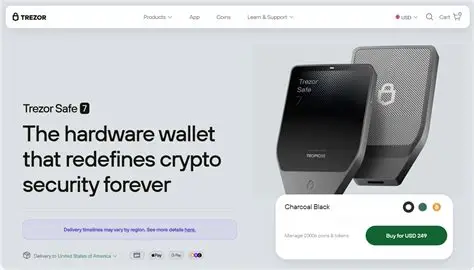
Trezor.io/start – The Complete Guide to Setting Up and Using Your Trezor Wallet
Welcome to the ultimate guide for Trezor.io/start, your official gateway to setting up, logging in, and securely managing your Trezor hardware wallet. Whether you are new to cryptocurrency or an experienced user, this guide will provide a step-by-step walkthrough for initializing your device, installing Trezor Suite, securing your private keys, managing multiple cryptocurrencies, and interacting safely with decentralized finance (DeFi) and Web3 applications.
In the fast-evolving world of cryptocurrency, security is paramount. Software wallets and centralized exchanges are vulnerable to hacks, phishing, and theft. Trezor hardware wallets offer a secure, offline environment where your private keys never leave the device, giving you complete control over your assets. By following this guide, you will learn how to access the Trezor ecosystem safely, manage your portfolio, and use advanced features with confidence.
This guide covers approximately 1,500 words, providing detailed instructions from setup to advanced security practices.
Why Trezor.io/start Is Important
Starting at Trezor.io/start ensures that you are accessing official Trezor resources, which is critical to avoid phishing scams and counterfeit devices. Using the official site provides:
Verification of device authenticity.
Access to Trezor Suite for wallet management.
Step-by-step setup instructions and tutorials.
Security guidance and best practices.
Trezor.io/start is the gateway to a safe, secure, and user-friendly cryptocurrency experience.
Step 1: Understanding Trezor Devices
Trezor hardware wallets, including Trezor One and Trezor Model T, are designed to securely store private keys offline.
Key Features:
Offline key storage: Private keys never leave the device.
Physical transaction approval: Each transaction must be confirmed on the device.
Multi-asset support: Manage Bitcoin, Ethereum, and thousands of other cryptocurrencies.
Touchscreen (Model T) or buttons (Trezor One): Secure and intuitive device interface.
Firmware updates: Regular updates improve security and functionality.
Knowing your device features ensures a smooth setup and secure management of your crypto assets.
Step 2: Verify Your Trezor Device
Before setup, verify your Trezor is genuine:
Purchase only from official Trezor vendors or Trezor.io.
Check the packaging is factory-sealed.
Ensure the device displays a welcome message prompting setup.
Security Tip: Never use a device with a pre-written recovery seed or signs of tampering. A compromised device can put your cryptocurrency at risk.
Step 3: Download and Install Trezor Suite
Trezor Suite is the official software for managing your Trezor wallet. It provides a secure interface to view balances, send and receive crypto, and interact with Web3 applications.
Steps to install Trezor Suite:
Visit Trezor.io/start.
Download the version compatible with your operating system (Windows, macOS, Linux).
Install and launch Trezor Suite.
Trezor Suite allows you to:
Initialize and configure your device.
Add multiple accounts and cryptocurrencies.
Monitor balances and transaction history.
Connect safely to decentralized applications (dApps).
Always download Trezor Suite from the official website to ensure security.
Step 4: Initial Trezor Setup
Once Trezor Suite is installed, connect your device to your computer.
Setup steps include:
Choose Create a new wallet or Recover wallet if you have an existing recovery seed.
Set a PIN code to protect the device.
Generate a 24-word recovery seed (for new wallets).
Record the recovery seed offline and verify it in Trezor Suite.
Security Tips:
Never store your recovery seed digitally or online.
Keep your recovery seed separate from the device.
Trezor will never ask for your seed online.
Properly recording your recovery seed is critical to recovering your wallet if the device is lost or stolen.
Step 5: Logging into Trezor Suite
Logging in securely is straightforward:
Open Trezor Suite and connect your Trezor device.
Enter your PIN on the device.
Access your accounts to view balances and transaction history.
Your private keys remain on the device at all times; logging in only establishes a secure session for management.
Step 6: Adding Cryptocurrency Accounts
Trezor Suite supports thousands of cryptocurrencies and allows multiple accounts for each blockchain.
Steps to add accounts:
Open Trezor Suite and go to Accounts.
Click Add Account and select a cryptocurrency.
Confirm the account creation on your Trezor device.
This feature is ideal for managing diverse portfolios efficiently.
Step 7: Sending and Receiving Cryptocurrency
Trezor ensures secure and verified transactions:
Receiving crypto:
Select the account to receive funds.
Click Receive to generate a wallet address.
Verify the address on your device before sharing.
Sending crypto:
Select the account and click Send.
Enter the recipient address and amount.
Confirm details on Trezor Suite.
Approve the transaction physically on the device.
No transaction occurs without physical confirmation, protecting your assets from malware or phishing attacks.
Step 8: Integrating with DeFi and Web3
Trezor wallets support safe interaction with decentralized applications:
Connect to MetaMask or other Web3 wallets.
Sign transactions directly on your device.
Access staking, lending, and other DeFi platforms securely.
This allows full participation in decentralized finance without exposing private keys.
Step 9: Firmware Updates and Maintenance
Keeping your Trezor device updated is crucial for security and performance:
Open Trezor Suite and check for firmware updates.
Connect your device and follow instructions.
Confirm updates on the device.
Firmware updates improve security, add new features, and maintain compatibility with new cryptocurrencies.
Step 10: Security Best Practices
Even with Trezor’s robust security, users must follow best practices:
Never share your recovery seed.
Use a strong PIN and enable passphrase protection if needed.
Verify recipient addresses before sending cryptocurrency.
Keep Trezor Suite and device firmware updated.
Avoid phishing websites and always access Trezor Suite via Trezor.io/start.
Adhering to these practices significantly reduces the risk of hacks or theft.
Step 11: Multi-Asset and Multi-Blockchain Support
Trezor supports a wide range of cryptocurrencies:
Bitcoin, Ethereum, and major altcoins.
ERC-20 tokens and other blockchain-based assets.
DeFi tokens and NFTs via connected Web3 applications.
Managing multiple assets on one device simplifies portfolio management while maintaining security.
Step 12: Portfolio Management and Analytics
Trezor Suite provides portfolio management tools:
Real-time account balances and overall portfolio value.
Transaction history for each account.
Portfolio allocation charts and asset performance tracking.
Account labeling for organization.
These features allow users to track investments efficiently and make informed decisions.
Step 13: Troubleshooting Trezor Setup and Login
Common issues and solutions include:
Ensure the device is genuine and firmware is up-to-date.
Verify USB or connection stability.
Restart Trezor Suite if the device is not detected.
Consult Trezor Support at Trezor.io/support for help.
Never share your recovery seed during troubleshooting; Trezor will never ask for it online.
Why Trezor.io/start Is the Best Place to Begin
Trezor.io/start ensures:
Access to official downloads and resources.
Verified device authenticity.
Step-by-step instructions for setup and secure management.
Guidance for interacting safely with DeFi and Web3.
Starting here maximizes security and ensures a smooth experience managing cryptocurrencies.
Conclusion
Trezor.io/start is your official entry point to secure cryptocurrency management. By following setup instructions, installing Trezor Suite, creating accounts, and following security best practices, you can confidently manage your crypto portfolio.
Whether you are holding Bitcoin, trading Ethereum, participating in DeFi, or managing NFTs, Trezor provides a secure, versatile, and user-friendly platform.
Visit Trezor.io/start today and take full control of your digital assets.